
DevOps Mindset & Philosophy
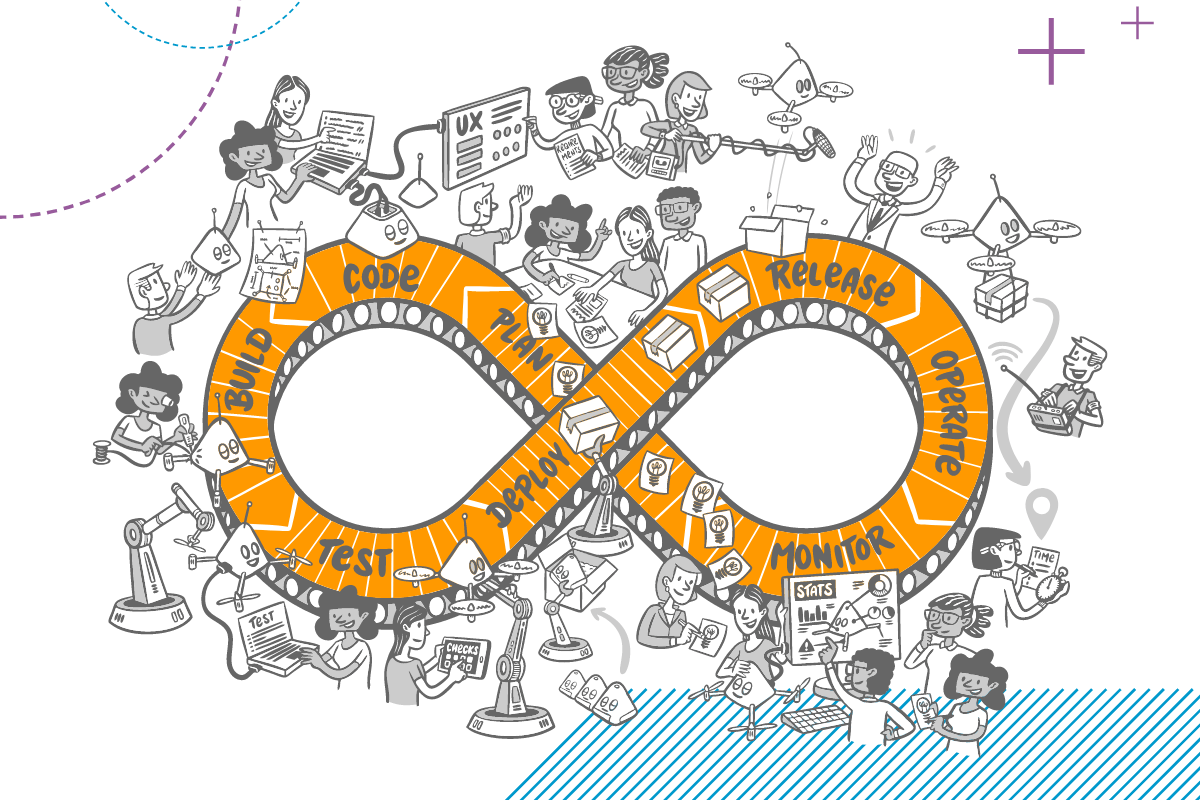
DevOps: Culture Over Tools
The DevOps mindset and philosophy revolve around breaking down the barriers between development and operations teams, fostering a culture of collaboration, automation, and continuous improvement. Here's how this philosophy can be understood:
1. Simplifying the Infrastructure
- Reduce Moving Parts: The fewer the components and complexities, the lower the chance of failure. Keeping infrastructure simple reduces potential points of failure and maintenance overhead. This aligns with tools and approaches like microservices and containerization, where small, decoupled units are easier to manage and debug.
2. Resisting Unnecessary Change
- Stability over Innovation: In critical environments, change introduces risk. Resist unnecessary changes unless they are absolutely necessary. Ensure every change has a clear purpose, and the potential impact is carefully considered. Once the system is stable, avoiding reckless modifications helps maintain uptime and security.
3. Failure Management
- Stop and Prevent Further Harm: When something goes wrong, instead of quickly applying patches or making more changes, stop and assess the situation. This approach prevents making things worse and allows for a structured approach to incident resolution. Implementing a "fail-fast" philosophy means you detect issues early, stop further changes, and recover efficiently.
4. Root Cause Analysis (RCA)
- Finding and Fixing the Real Issue: Instead of just fixing symptoms, dig deeper to find the root cause of issues. RCA ensures that the underlying problems are addressed so they don’t recur. A culture of continuous learning from incidents promotes a more resilient system.
5. Positive Feedback Loops for QA
- Continuous Improvement: Positive feedback loops ensure that every issue, bug, or failure serves as a learning opportunity. Teams should not only identify issues but also improve their processes and tools, enhancing overall quality and reliability. This fosters a cycle of learning, adapting, and improving.
6. Ownership and Accountability
- Full Ownership of the Product Lifecycle: DevOps encourages teams to take full ownership of the product from development through deployment to operations. This includes managing vendor relationships, overseeing staff involvement, and aligning stakeholders. Complete accountability leads to better project delivery and ensures everyone involved is aligned toward common goals.
Key Aspects:
- Collaboration: Breaking silos between teams, ensuring developers, operations, QA, and other stakeholders are working together.
- Automation: Automating repetitive tasks (e.g., testing, deployments) reduces human error and improves efficiency.
- Monitoring and Observability: Proactive monitoring allows issues to be caught early, improving response times and system health.
In summary, the DevOps mindset is about stability, efficiency, collaboration, and a deep focus on ownership and continuous improvement throughout the software development and operations lifecycle.
DOX - A Computer Scientist's Notebook
Y0MG 1990-2024
GitHub Repository | Documentation Site