
DOX - A Computer Scientists NoteBook
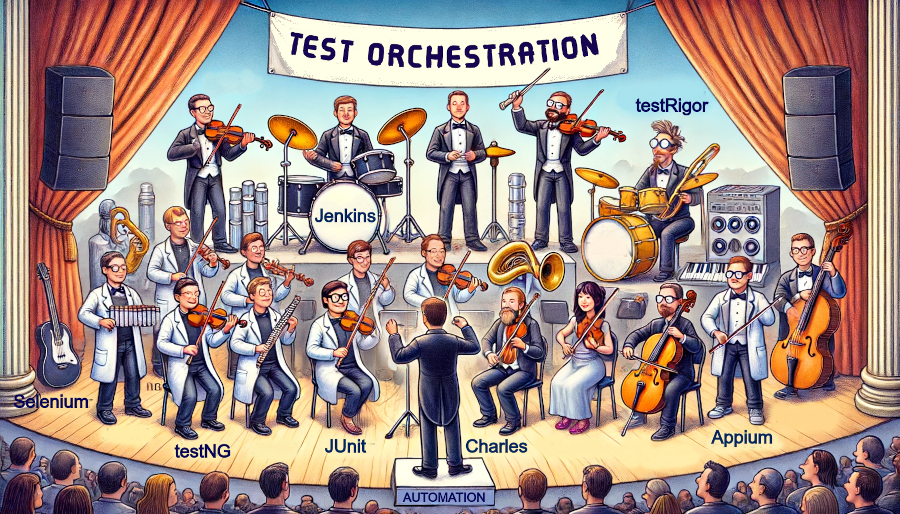
For full source visit github.
Orchestration and Automation in a Cluster
Orchestration and automation in a cluster are essential for efficiently managing and scaling applications and services across multiple machines or nodes. These technologies allow for automated deployment, scaling, and management of containerized applications, ensuring high availability and resilience. Here’s a breakdown of how orchestration and automation are used in a cluster:
1. Orchestration in a Cluster
Orchestration refers to coordinating and managing the lifecycle of applications and services within a cluster, usually across multiple nodes. It involves scheduling, scaling, and maintaining the desired state of applications.
Common orchestration platforms include: - Kubernetes: The most widely used container orchestration platform. - Docker Swarm: Built into Docker, though less feature-rich compared to Kubernetes. - Apache Mesos: Used for large-scale systems and cloud-native applications.
Key Features of Orchestration:
- Deployment of Services: Automates the deployment of services across multiple nodes, ensuring that containers are launched in the right environments.
- Service Discovery and Load Balancing: Orchestration systems automatically expose services within the cluster, ensuring that traffic is routed to the correct container, even if instances are added or removed.
- Scaling: Automatically scales up or down based on demand. If more resources are needed, orchestrators will launch more container instances across the cluster.
- Self-healing: Monitors the health of containers and nodes. If a container crashes or a node goes down, the orchestrator will automatically restart the container or relocate workloads to another node.
- Rolling Updates and Rollbacks: Enables smooth updates of applications. New versions can be rolled out gradually, ensuring zero downtime, with the ability to roll back to a previous version if something goes wrong.
Example Workflow (Using Kubernetes):
- Cluster Setup: A Kubernetes cluster consists of a master node (control plane) and worker nodes where applications run.
- Deploy Applications: Applications are packaged into containers and described in YAML files. These files define the desired state, including container images, scaling rules, and networking.
- Scheduling and Resource Management: Kubernetes schedules the containers on the most suitable worker nodes, optimizing the use of resources like CPU and memory.
- Health Monitoring and Recovery: Kubernetes constantly monitors containers. If a failure is detected, it automatically restarts the failed containers or reschedules them on different nodes.
2. Automation in a Cluster
Automation focuses on eliminating manual intervention in routine or repetitive tasks across a cluster, such as configuring environments, scaling, and patching. Automation tools enable infrastructure as code (IaC) and efficient management of clusters.
Common automation tools: - Ansible: A popular open-source tool for automating IT tasks, including configuration management, application deployment, and orchestration. - Terraform: An infrastructure-as-code tool that automates the provisioning of cloud infrastructure, often used in conjunction with orchestrators. - Jenkins: Used for continuous integration and delivery (CI/CD), automating application build, testing, and deployment pipelines.
Key Features of Automation:
- Infrastructure as Code (IaC): Automates the provisioning and configuration of infrastructure (e.g., VMs, networking, storage) using declarative code, allowing for consistent and repeatable deployments.
- Configuration Management: Automates the setup and configuration of nodes, ensuring that each node in the cluster has the correct settings, dependencies, and software versions.
- CI/CD Automation: Automatically builds, tests, and deploys code across the cluster, speeding up development cycles and reducing human error.
- Autoscaling: Automatically adjusts the number of instances running in the cluster based on performance metrics like CPU load or network traffic.
- Patching and Updates: Automates the updating and patching of software and containers across all nodes in the cluster, minimizing downtime.
Example Workflow (Using Ansible):
- Cluster Configuration: Define a playbook (YAML file) to configure all nodes in the cluster. This can include setting up networking, installing necessary packages, and configuring system settings.
- Application Deployment: Define tasks to pull container images from a registry and deploy them to specific nodes.
- Scaling and Updating: Set up automation tasks to monitor system load and automatically add more nodes to the cluster if demand increases, or deploy updated container versions with zero downtime.
- Patching: Use playbooks to automate the process of updating software across the cluster, ensuring consistency.
3. Combined Orchestration and Automation Workflow
Orchestration and automation often work together in clusters to provide seamless, scalable, and reliable infrastructure for applications. Here’s how they can be combined:
- Provisioning (Automation): Tools like Terraform can automate the setup of cloud infrastructure (VMs, networking, storage) and Kubernetes clusters.
- Cluster Setup (Automation): Use Ansible to automate the installation of Docker, Kubernetes, and other dependencies on the nodes.
- Container Orchestration (Orchestration): Kubernetes handles the automated scheduling, scaling, and management of containers across the cluster.
- CI/CD Pipelines (Automation): Jenkins automates the build, test, and deployment process, pushing updates to the Kubernetes cluster as new application versions are created.
- Scaling and Healing (Orchestration): Kubernetes’ orchestration features automatically scale services and perform self-healing when containers fail.
- Monitoring and Alerts (Automation): Monitoring tools like Prometheus can be integrated to automatically alert system administrators if a node is underperforming, triggering an Ansible playbook to spin up new instances or scale the cluster.
4. Use Cases of Orchestration and Automation in a Cluster
- Microservices Architecture: Orchestration platforms like Kubernetes are ideal for managing microservices, where each service runs in its own container. The orchestrator handles service discovery, scaling, and load balancing.
- High Availability and Fault Tolerance: In a cluster environment, orchestration ensures that services remain available even if some nodes fail. Automation ensures that new nodes are brought online quickly and configured correctly.
- Scalability for Web Applications: Automatically scaling web applications based on traffic spikes. Kubernetes will schedule additional containers, and automation tools can add more nodes to the cluster if necessary.
- Data Processing: Orchestration of large-scale data processing tasks (e.g., Hadoop, Spark) in a cluster, automating the distribution of jobs across multiple worker nodes for parallel processing.
5. Tools for Orchestration and Automation in Clusters
- Kubernetes: Leading orchestration platform for managing containerized applications.
- Docker Swarm: A simpler alternative to Kubernetes for managing Docker containers.
- Ansible: Configuration management and automation tool to automate cluster setup and application deployment.
- Terraform: Infrastructure as code tool to provision cluster resources.
- Jenkins: Automates the CI/CD pipeline to manage builds and deployments.
- Prometheus: Monitoring tool that can trigger automated scaling or healing processes in conjunction with orchestrators.
- Slurm: Slurm (Simple Linux Utility for Resource Management) is an open-source, scalable job scheduling and workload management system designed for Linux clusters. It is widely used in high-performance computing (HPC) environments to manage large-scale computing resources, schedule jobs, and optimize the use of available hardware resources.
Conclusion
Orchestration and automation are foundational in modern clusters for managing complex applications at scale. Orchestration platforms like Kubernetes ensure automated container deployment, scaling, and healing, while automation tools like Ansible and Terraform provide infrastructure setup, continuous integration, and streamlined operations. Together, they enable efficient, resilient, and scalable cluster environments.
  ┌────────────────────────────────────────────────────────────────────────┐
  │                                                                        │
  │ @@@@@@@@@@@@@@@@@@@@          %@@@@@@@@%          %@@            %@@   │
  │ @@@@@@@@@@@@@@@@@@@@       %@@@@@@@@@@@@@@%     %@@@@@@        *@@@@@@ │
  │ @@@@@@@@@@@@@@@@@@@@      @@@@@@@@@@@@@@@@@@     @@@@@@@%     @@@@@@%  │
  │ @@@@@          %@@@@     %@@@@@%       @@@@@@      @@@@@@@% @@@@@@%#   │
  │ @@@@@          %@@@@    %@@@@@          @@@@@@       @@@@@@@@@@@@#     │
  │ @@@@@          %@@@@    @@@@@@          #@@@@@         @@@@@@@@%       │
  │ @@@@@          %@@@@    @@@@@@          %@@@@@        %@@@@@@@@@       │
  │ @@@@@          %@@@@    *@@@@@*         @@@@@%      #@@@@@@@@@@@@@     │
  │ @@@@@@@@@@@@@@@@@@@@     @@@@@@@%     @@@@@@@     #@@@@@@@  @@@@@@@@   │
  │ @@@@@@@@@@@@@@@@@@@@      *@@@@@@@@@@@@@@@@%    *@@@@@@@      @@@@@@@% │
  │ @@@@@@@@@@@@@@@@@@@@        %@@@@@@@@@@@@@       @@@@@%         @@@@@% │
  │                                %@@@@@@%            @%             @%   │
  │                                                                        │
  └────────────────────────────────────────────────────────────────────────┘
                                           A Computer Scientist's Notebook
                                                            Y0MG 1990-2024
GitHub Repository https://github.com/youroldmangaming/DOX
Documentation Site https://dox.youroldmangaming.com